The Hidden Threat to Your Equity Along the I-20 Corridor
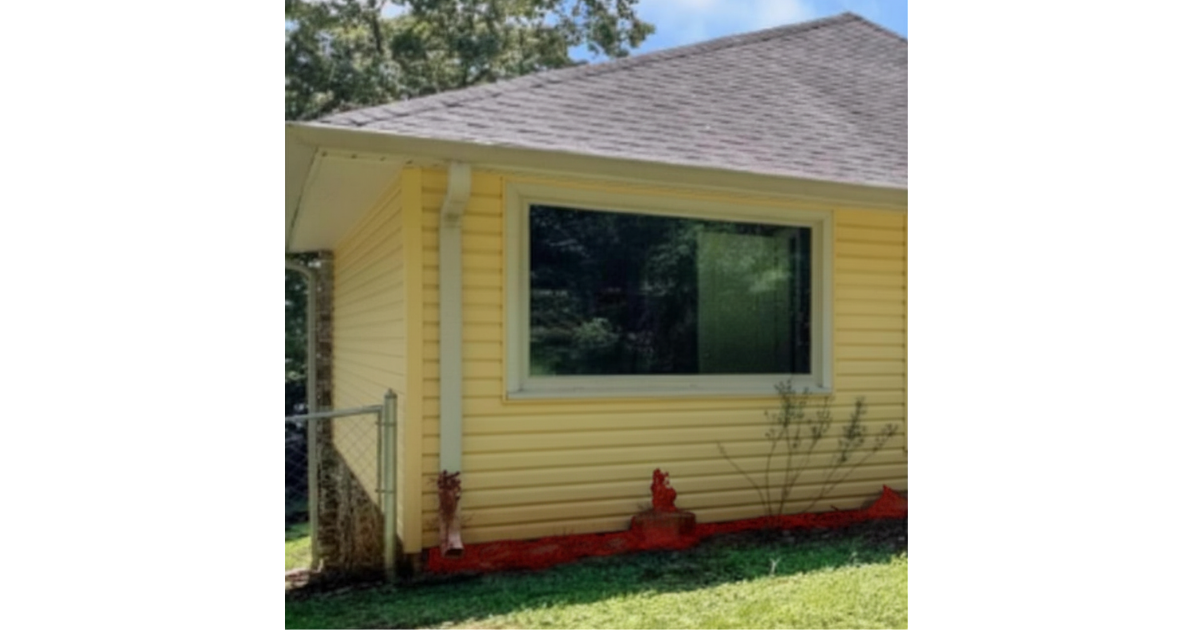
As a real estate agent navigating the markets of Calhoun County, Talladega County, and the broader I-20 Birmingham corridor, I view homes through a very specific lens. Whether I am showing a historic property in Anniston, a family home in Oxford, exploring properties in Pell City and Lincoln, or working in the rapidly growing neighborhoods of Jacksonville, AL, there is one critical detail I always look for before I even unlock the front door: signs of water runoff.
We often think the biggest threat to a home's value is an aging roof or an outdated HVAC system. However, the silent killer of equity in East Alabama is poor water diversion.
A Real-World Lesson in "Buyer Beware"
I recently represented a buyer looking at a beautiful home. While walking the exterior, I noticed faint water run lines carved into the red clay on one side of the house. The ground was bone-dry that day, and the official home inspection later came back clean with no active water issues noted.
However, knowing what to look for—and more importantly, knowing what questions to ask—revealed a hidden nuisance. It turned out the next-door neighbor had a significant pool leak. Whenever that pool was filled, the runoff would completely flood my buyer's prospective backyard unless a specific sump pump was actively running.
Because Alabama is a Caveat Emptor (Buyer Beware) state, the sellers were not legally required to disclose this issue. It was technically considered a neighborhood nuisance rather than a direct structural hazard. If we hadn't noticed those subtle clues in the dirt and asked the right questions at the right time, my buyers would have inherited a massive, muddy headache.
Why Water Diversion Matters
Unpredictable Weather: Our torrential downpours combined with dense clay soil create a recipe for intense hydrostatic pressure.
Foundation Defense: Uncontrolled water pooling against your slab or crawlspace leads to settling, cracking, and expensive damage.
Preserving Equity: Controlling runoff keeps your foundation secure and your resale value high.
The First Line of Defense: Gutters, Soffits, and Fascia
When preparing a home for the market anywhere from Pell City to Jacksonville, many sellers focus entirely on interior upgrades. They view exterior elements like gutters, soffits, and fascia boards as purely cosmetic trim—just the decorative "eyebrows" of a house.
In reality, these exterior features are your property’s hardest-working functional armor.
READY TO SCHEDULE A FREE CONSULT CLICK HERE
The Danger of the "Waterfall Effect"
Think about the sheer volume of water that hits your roof during a heavy East Alabama thunderstorm. Without a seamless gutter system to catch and actively redirect that runoff, hundreds of gallons of water gain speed and crash directly down onto the dirt surrounding your foundation.
Because the soil in Calhoun County and Talladega County is heavily composed of dense red clay, it acts like a giant sponge. This creates a highly destructive cycle:
Violent Expansion: When saturated by roof runoff, clay soil swells dramatically, applying immense hydrostatic pressure against your concrete slab or crawlspace walls.
Rapid Shrinkage: When the summer heat dries the soil out, it shrinks and pulls away, leaving your foundation completely unsupported.
The Structural Result: This constant, localized shifting is exactly what causes stair-step cracks in your brick exterior, cracked interior drywall, and doors that suddenly refuse to latch properly.
Protecting Your Roof’s Skeleton
Beyond just gutters, your soffits (the exposed underside of your roof overhang) and fascia (the long, straight board where gutters are mounted) play a critical role in preserving your home's equity.
They provide essential ventilation to your attic, preventing trapped humidity from quietly rotting your roof decking from the inside out. Furthermore, they physically seal off your structural rafters from moisture, wind-driven rain, and local pests looking for a dry place to nest.
Attempting to save money by ignoring water-damaged fascia or skipping a gutter installation can easily result in an incredibly expensive repair bill when a buyer's inspector inevitably discovers wood rot or foundation settling.
When Gutters Aren't Enough: Advanced Water Diversion
Along the I-20 corridor, from the hills of Anniston and Oxford to the expanding neighborhoods of Jacksonville, AL, a home's natural topography can sometimes work against it. If your yard slopes downward toward your foundation—a common issue known as negative grading—even the best gutter system won't stop gravity.
When rainwater consistently pools against your slab or seeps into your crawlspace, it is time to look at advanced water diversion strategies to protect your investment.
The Science of French Drains
One of the most effective solutions for persistent standing water is a French drain system. Many homeowners assume the goal of adding stone or gravel around a foundation is to "absorb" the excess water. In reality, rock doesn't absorb anything.
Instead, a French drain works by creating a highly porous path of least resistance:
A strategic trench is dug in the yard where water naturally collects.
A perforated pipe is laid at the bottom of the trench.
The trench is filled with gravel or river rock.
When heavy Alabama rain hits the rock, it immediately drops through the porous gaps, enters the hidden pipe, and is safely flushed far away from the home’s footprint.
Upgrading with Dry Creek Beds
If a subsurface drain isn't feasible, surface trenching using a dry creek bed is another fantastic option. By carving a shallow channel lined with decorative river rock, you can actively divert runoff away from your foundation while simultaneously adding beautiful, functional landscaping to your property.
The Proactive Homeowner's Checklist
To protect your property value before listing in Calhoun or Talladega County, keep these strategies in mind:
Monitor the slope: Ensure the dirt around your perimeter is graded to slope aggressively away from the exterior walls.
Extend downspouts: Push gutter runoff at least four to six feet away from the base of the house.
Watch for pooling: After a heavy summer thunderstorm, check your yard for standing water that lasts longer than 24 hours.
The Value of an Extra Set of Eyes
Protecting your equity means staying vigilant. When we walk properties across East Alabama, from Pell City to Lincoln and down to Anniston, my goal is to help you spot red flags before they turn into costly repairs.
A Quick Professional Disclaimer: I am a licensed REALTOR®, not a licensed foundation contractor, landscaper, or home inspector. My job is not to officially diagnose the structural integrity of a property. However, because I evaluate homes every single day, I have a highly trained eye for spotting warning signs—like negative grading, damaged fascia, or standing water. As your agent, I will always point these concerns out to you and strongly advise that we bring in a licensed contractor or inspector in that specific field to properly assess the situation.
Don't Wait for the Buyer's Inspector to Find It
In Alabama's "buyer beware" market, a buyer's home inspector is going to look for signs of water intrusion and foundation movement every single time. When an inspector finds these issues late in the game, it often leads to delayed closings, renegotiated contracts, or buyers walking away entirely.
By being proactive today, you can protect your family's equity and ensure a smooth, profitable transaction tomorrow.
If you are thinking about selling in Calhoun County or Talladega County and want an honest, strategic assessment of what you should address before hitting the market, let's talk.
Angelena Cofield, REALTOR®
Kelly Right Real Estate of Alabama
Text "HOME" to 256-473-5336 to start your no-pressure conversation today.
OR
IF YOU ARE READY TO SCHEDULE A FREE CONSULT CLICK HERE